
Created on February 9th, 2026 at 08:02 am
A Fast Steak Dinner You Can Rely on After a Long Day
Pan-seared ribeye steak is one of the most practical ways to cook steak at home when time is limited. This method relies on a hot skillet, simple seasoning, and controlled cooking rather than marinades or complex sauces. Ribeye steaks are well suited for stovetop cooking because their natural marbling keeps the meat juicy while building flavor as the fat renders in the pan. This recipe focuses on consistency and repeatable results, making it useful for weeknights when you want a dependable dinner without planning ahead. With just a few ingredients and one pan, you can cook a steak that feels complete without extra preparation.

Time Breakdown
Prep time: 10 minutes
Cook time: 10 to 14 minutes
Resting time: 5 minutes
Total time: about 25 minutes
Ingredients
2 ribeye steaks, 1 to 1 1/4 inches thick
1 teaspoon kosher salt
1/2 teaspoon black pepper
1 tablespoon neutral oil such as avocado or canola
2 tablespoons unsalted butter
2 garlic cloves, smashed (optional)
Kitchen Tools
Heavy skillet, preferably cast iron
Tongs
Instant-read thermometer
Spoon
Plate or cutting board for resting
Step by Step Instructions
Step 1: Prepare the steaks
Remove the ribeye steaks from the refrigerator about 20 minutes before cooking. This allows the meat to warm slightly so it cooks more evenly. Pat the steaks completely dry with paper towels to remove surface moisture, which is essential for proper browning. Season both sides evenly with kosher salt and black pepper, pressing the seasoning gently into the surface of the meat.
Step 2: Heat the skillet
Place a heavy skillet over medium-high heat and let it heat for several minutes. The pan should be hot before adding any fat. Add the neutral oil and swirl it to coat the bottom of the pan. The oil should shimmer immediately, indicating the pan is ready for searing.
Step 3: Sear the first side
Carefully place the ribeye steaks into the hot skillet. You should hear a strong sizzle as soon as the steaks touch the pan. Do not move the steaks once they are placed. Let them sear undisturbed for 3 to 4 minutes so a deep brown crust can form on the first side.
Step 4: Flip and add butter
Flip the steaks using tongs. Add the butter and smashed garlic cloves to the pan. As the butter melts, tilt the skillet slightly and use a spoon to baste the steaks with the melted butter. Continue basting as the steaks cook to add flavor and help regulate surface heat.
Step 5: Cook to doneness
Continue cooking the steaks for another 3 to 4 minutes, basting occasionally. Check the internal temperature by inserting an instant-read thermometer into the thickest part of the steak. For reference, 125°F is rare, 130 to 135°F is medium-rare, and 140°F is medium. Reduce the heat slightly if the butter begins to brown too quickly.
Step 6: Rest the steaks
Transfer the steaks to a plate or cutting board and let them rest for at least 5 minutes. Resting allows the juices to redistribute throughout the meat, which improves tenderness and prevents moisture loss when slicing. This step is essential for a good final texture.
Step 7: Serve
Slice the ribeye steaks against the grain or serve them whole. Spoon a small amount of the pan butter over the top if desired. Serve immediately while the steaks are warm.
Pro Tips
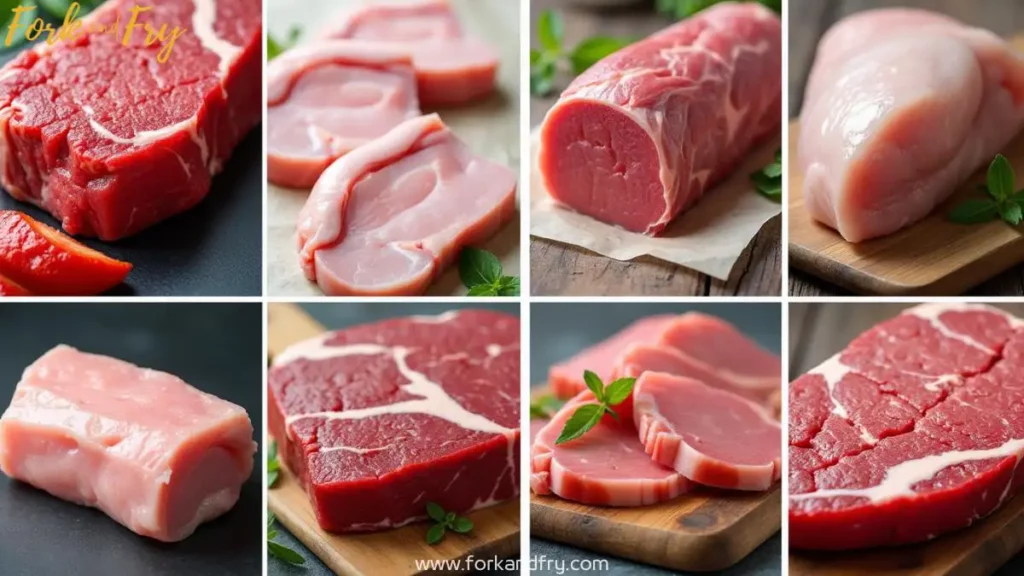
Choose ribeye steaks that are at least 1 inch thick for better control during cooking. Drying the surface of the steak before cooking improves browning. Use a thermometer instead of timing alone for consistent results. Always rest the steak before slicing.
Serving Suggestions
Serve pan-seared ribeye with roasted potatoes, mashed potatoes, or simple vegetables. A green salad or steamed vegetables balance the richness of the steak. Use the same skillet to sauté mushrooms or onions after cooking the steak if desired.
Ingredient Swaps That Still Cook Well
If cooking for more people, cook one larger ribeye and slice it to serve multiple portions. Butter can be replaced with additional oil if needed, though butter adds flavor during basting. Garlic is optional and can be omitted for a simpler finish.
Nutrition Information (per serving)
| Nutrient | Amount |
|---|---|
| Calories | 520 kcal |
| Carbohydrates | 0 g |
| Protein | 40 g |
| Fat | 42 g |
| Saturated Fat | 18 g |
| Fiber | 0 g |
| Sugar | 0 g |
| Sodium | 520 mg |
| Potassium | 620 mg |
| Iron | 4.5 mg |
| Zinc | 7 mg |
Disclaimer: Nutrition facts are estimated using online tools and may vary based on your ingredients and preparation. Please consult a nutritionist for precise dietary advice.
FAQ
Can I cook ribeye without a cast iron skillet?
Yes. Any heavy-bottomed skillet works, but cast iron holds heat better and produces more even browning.
Should I use oil or butter first when searing steak?
Oil should be used first because it tolerates higher heat. Butter is added later for flavor and basting.
How do I prevent overcooking ribeye?
Use a thermometer and remove the steak from heat a few degrees before your target temperature, as it will continue cooking while resting.
Why did my steak turn gray instead of brown?
This usually happens when the pan is not hot enough or the steak surface is too wet. Always preheat the pan and dry the steak thoroughly.
Can I cook more than two steaks at once?
Only if the pan is large enough to avoid crowding. Overcrowding lowers the pan temperature and prevents proper searing.

Pan-Seared Ribeye Steak for Quick Weeknight Dinners

Equipment
- Heavy Skillet
- Tongs
- Instant-read thermometer
Ingredients
Steak
- 2 ribeye steaks 1 to 1 1/4 inches thick
- 1 tsp kosher salt
- 1/2 tsp black pepper
- 1 tbsp neutral oil avocado or canola
- 2 tbsp unsalted butter
- 2 garlic cloves smashed, optional
Instructions
- Remove the ribeye steaks from the refrigerator about 20 minutes before cooking so they can warm slightly. Pat them completely dry with paper towels and season both sides evenly with salt and black pepper.
- Place a heavy skillet over medium-high heat and allow it to heat for several minutes. Add the oil and swirl to coat the bottom of the pan. The oil should shimmer before adding the steaks.
- Carefully place the steaks into the hot skillet. Let them sear without moving for 3 to 4 minutes so a browned crust can form on the first side.
- Flip the steaks using tongs. Add the butter and smashed garlic cloves to the pan. As the butter melts, tilt the pan and spoon the butter over the steaks to baste them.
- Continue cooking for another 3 to 4 minutes, basting occasionally. Check the internal temperature with a thermometer to reach your desired doneness.
- Transfer the steaks to a plate or cutting board and let them rest for at least 5 minutes so the juices redistribute.
- Slice against the grain or serve whole. Spoon pan butter over the steaks if desired and serve immediately.
Notes
Enjoyed this recipe? Leave a review!
There are no reviews yet. Be the first one to write one.