
Last updated on March 8th, 2026 at 10:05 am
Table of Contents
Take your poultry dishes to the next level with a simple chicken brine recipe. Brining turns ordinary chicken into a juicy, flavorful treat. This guide will show you the science behind brining, its benefits, and how to season your chicken perfectly every time.
Key Takeaways
- Brining is a technique that enhances the moisture and flavor of chicken by immersing it in a salt-based solution.
- The science behind brining involves osmosis and denaturation, which help the chicken retain more moisture and absorb more seasoning.
- Brining chicken offers numerous benefits, including juicier meat, enhanced flavor, and improved texture.
- A simple chicken brine recipe can be made with just a few basic ingredients, like salt, sugar, and aromatics.
- Brining time can vary depending on the size of the chicken, but generally ranges from 4 to 24 hours.
What is Brining Chicken?
Brining is a simple yet effective technique that can transform ordinary chicken into a juicy, flavorful masterpiece. This process involves soaking the chicken in a saltwater solution. It allows the meat to absorb the brine and become more tender and moist.

The Science Behind the Brining Process
The science behind brining relies on the principle of osmosis. When the chicken is submerged in the saltwater brine, the salt molecules begin to penetrate the meat. This breaks down the protein structure. As a result, the chicken retains more moisture during cooking, resulting in a succulent and juicy texture.
Benefits of Brining Chicken
Brining your chicken offers a host of benefits, making it a must-try technique for any home cook. Here are some of the key advantages:
- Increased Moisture: The brine helps the chicken retain its natural juices, preventing it from drying out during cooking.
- Enhanced Flavor: The salt and any additional seasonings in the brine infuse the meat with delicious flavors.
- Improved Texture: Brining tenderizes the chicken, making it more succulent and easy to chew.
- Versatility: Brined chicken can be cooked using a variety of methods, from grilling and roasting to sautéing and baking.
Whether you’re preparing a simple weeknight meal or hosting a special gathering, brining your chicken is a surefire way to elevate the dish. It leaves your guests raving about the moist, flavorful results.
Simple Chicken Brine Recipe
Take your poultry dishes to the next level with this easy brine recipe. A simple chicken brine turns ordinary chicken into a moist, tender, and flavorful masterpiece. By soaking your chicken in a special brine, you open up a world of flavors.
The secret to a great brine is finding the right mix of ingredients. This recipe uses just a few key elements to create a brine that’s full of flavor. It will make your taste buds dance with joy.
Ingredients for the Brine
- 1 gallon (4 liters) of water
- 1/2 cup (120 ml) of kosher salt
- 1/2 cup (120 ml) of brown sugar
- 2 bay leaves
- 1 tablespoon (15 ml) of whole black peppercorns
- 2 cloves of garlic, minced
Step-by-Step Brining Instructions
- In a large pot or container, mix the water, kosher salt, and brown sugar. Stir until they’re fully dissolved.
- Add the bay leaves, peppercorns, and minced garlic to the brine. Stir well.
- Put the chicken pieces (or whole chicken) in the brine, making sure they’re covered. Cover the container and chill for 4 to 12 hours, depending on the chicken size.
- After brining, take the chicken out, rinse it under cold water, and dry it with paper towels.
- Your brined chicken is now ready to cook. You can grill, roast, or pan-fry it.
This simple chicken brine recipe is a game-changer for your poultry dishes. By spending a bit of time brining, you get juicy, flavorful brined chicken. It will wow your family and friends.
Ingredients for the Brine
To make a tasty brine recipe for brined chicken, you need a few basic ingredients. A good chicken brine includes water, salt, sugar, and herbs and spices. These add flavor and moisture to the chicken.
Essential Brine Components
- Water: It’s the base of the brine, letting other ingredients dissolve and soak into the chicken.
- Salt: It’s key for seasoning and bringing moisture into the chicken for a juicy taste.
- Sugar: It adds a touch of sweetness, balancing the salt and enhancing the flavor.
- Herbs and Spices: Ingredients like garlic, peppercorns, bay leaves, and thyme add extra flavor to the chicken.
These ingredients work together to make ordinary chicken into a juicy, flavorful dish. Knowing what goes into a brine recipe lets you create your own special marinade. This way, you can make your brined chicken dishes even better.
Step-by-Step Brining Instructions
Brining your chicken is a simple way to make it juicy and flavorful. Just follow these easy steps to brine your chicken perfectly. This will make your next meal even better.

- Prepare the Brine Solution: In a large pot or container, mix the ingredients for your brine recipe. This includes water, salt, and any seasonings you like. Stir until the salt is dissolved.
- Submerge the Chicken: Put your chicken, whole or in pieces, into the brine solution. Make sure it’s fully covered. Then, cover the container and put it in the fridge.
- Allow Time to Soak: Let the chicken soak in the brine for the right amount of time. This depends on the size and cut of the meat. Always follow the brining time guidelines.
- Rinse and Pat Dry: After brining, take the chicken out and rinse it under cold water. Then, dry it with paper towels. Your brined chicken is now ready to cook.
By following these simple steps, you’ll get juicy, flavorful brined chicken every time. The key is to let the chicken soak in the brine for the right amount of time. This helps keep it moist and improves its taste and texture.
Brining Time: How Long Should You Brine Chicken?
Brining chicken’s time varies by size and cut. Generally, brine for 30 minutes to 12 hours. Adjust based on flavor and moisture goals.
The time needed to brine your chicken varies depending on a few key factors:
- Size of the chicken: Smaller cuts, such as breasts or tenders, require 30 minutes to an hour. Larger chickens or bone-in pieces require 8-12 hours.
- Brine strength: A more concentrated brine may require less time than a milder one.
- Desired outcome: For deeper flavor, brine longer. For a lighter touch, brine less.
Try different brining times to discover what works best for your chicken. Longer brining means more flavor and moisture.
| Chicken Cut | Brining Time |
|---|---|
| Chicken Breasts | 30 minutes to 1 hour |
| Chicken Thighs | 1 to 2 hours |
| Whole Chicken | 8 to 12 hours |
“Brining is an easy method to keep your chicken moist and flavorful, regardless of the cooking method.”
Cooking Brined Chicken
Now that you’ve brined your chicken, it’s time to cook it. Brined chicken is great for many cooking methods. Each method makes the chicken juicy and full of flavor.
Grilling Brined Chicken

Grilling is a top choice for brined chicken. The brine keeps the meat moist. This makes your grilled chicken tender and juicy.
Preheat your grill to medium-high heat. Pat the chicken dry. Grill for 15-20 minutes on each side. Cook until the chicken reaches 165°F.
Roasting Brined Chicken
Roasting is also a fantastic method for cooking brined chicken. The brine adds flavor and keeps the meat moist. Preheat your oven to 400°F.
Put the brined chicken in a roasting pan. Roast for 45-60 minutes, basting now and then. Cook until the chicken reaches 165°F.
Other Cooking Methods for Brined Chicken
Brined chicken can also be sautéed, baked, or fried. The brine helps keep the chicken moist and full of flavor. Try different seasonings and sauces for tasty dishes.
Pay attention to the internal temperature when cooking brined chicken. Avoid overcooking. With practice, you’ll make perfectly cooked, moist, and delicious chicken every time.
If you are looking for inspiration after brining, try dishes like our High Protein Dinner Spring Chicken or the flavorful Mediterranean Lemon Chicken, both great examples of how juicy brined chicken can elevate a meal.
Conclusion
Mastering a basic chicken brine recipe is essential for creating juicy, flavorful chicken. By grasping the science behind brining and following the steps, you can elevate your chicken dishes to the next level.Enjoy juicy, succulent chicken that everyone will love.
The brine recipe in this article is easy to follow and versatile. Brining can transform ordinary chicken into a culinary delight. Whether you’re grilling, roasting, or using another cooking method, it ensures your chicken stays juicy and full of flavor.
This easy brine recipe allows you to create restaurant-quality chicken right in your own kitchen. Impress your guests and satisfy your family’s cravings. Enjoy perfectly cooked, brined chicken every time.
FAQ
What is brining chicken?
Brining chicken involves immersing it in a saltwater solution prior to cooking. This keeps the meat moist and flavorful. The saltwater penetrates the chicken through osmosis, resulting in tender and juicy meat.
What are the benefits of brining chicken?
Brining chicken enhances its flavor, improves its tenderness, and helps it stay moist. It ensures your chicken is juicy and full of flavor.
What key ingredients do you need for a basic chicken brine?
Water, salt, sugar, and a mix of herbs and spices are all you need for a simple chicken brine. These ingredients combine to infuse the chicken with flavor and maintain its tenderness.
How long should you brine chicken?
Brining time varies by chicken size and cut. Generally, brine for 30 minutes to 12 hours. Adjust time for your desired flavor and moisture.
How do you cook brined chicken?
After brining, you can grill, roast, or sauté the chicken. No matter the cooking method, brined chicken remains juicy and full of flavor.

Simple Chicken Brine Recipe

Equipment
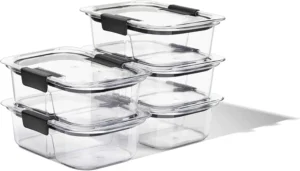
- Large bowl or food-safe container
- Large spoon or whisk
- Measuring Cups
- Refrigerator
Ingredients
Brine
- 1 gallon water
- 1/2 cup kosher salt
- 1/2 cup brown sugar
- 2 bay leaves
- 1 tbsp whole black peppercorns
- 2 cloves garlic minced
Chicken
- 2 to 4 pounds chicken pieces or whole chicken
Instructions
- Choose a large bowl, stockpot, or food-safe container that is large enough to hold the chicken and the brine. The container should allow the chicken to be fully submerged in liquid so the brine can season the meat evenly.
- Pour the gallon of water into the container. Add the kosher salt and brown sugar. Stir thoroughly with a spoon or whisk until both the salt and sugar are completely dissolved. This step is important because undissolved salt may settle at the bottom and create uneven seasoning.
- Add the bay leaves, black peppercorns, and minced garlic to the brine mixture. Stir again so the aromatics are distributed throughout the liquid. These ingredients help add subtle flavor to the chicken during the brining process.
- Place the chicken pieces or the whole chicken into the brine solution. Ensure the chicken is completely covered by the liquid. If needed, place a small plate or weight on top to keep the chicken fully submerged.
- Cover the container and transfer it to the refrigerator. Always brine chicken in the refrigerator rather than at room temperature to keep the chicken safe and fresh during the soaking process.
- Allow the chicken to soak in the brine for the appropriate amount of time. Chicken breasts usually need about 30 minutes to 1 hour, chicken thighs need about 1 to 2 hours, and a whole chicken can brine for 8 to 12 hours for deeper flavor and moisture.
- Once the brining time is complete, remove the chicken from the liquid and discard the brine. Do not reuse the brine because it has been in contact with raw chicken.
- Rinse the chicken briefly under cold water if desired to remove excess surface salt. Then pat the chicken very dry with paper towels. Drying the chicken helps the skin brown properly during cooking.
- The brined chicken is now ready to cook. You can grill, roast, bake, or pan-fry the chicken. Because the meat has already absorbed salt from the brine, season lightly with additional salt before cooking.
Notes
Enjoyed this recipe? Leave a review!
There are no reviews yet. Be the first one to write one.