
Created on February 26th, 2026 at 01:42 pm
A Controlled, Creamy Skillet Pasta That Balances Richness and Structure
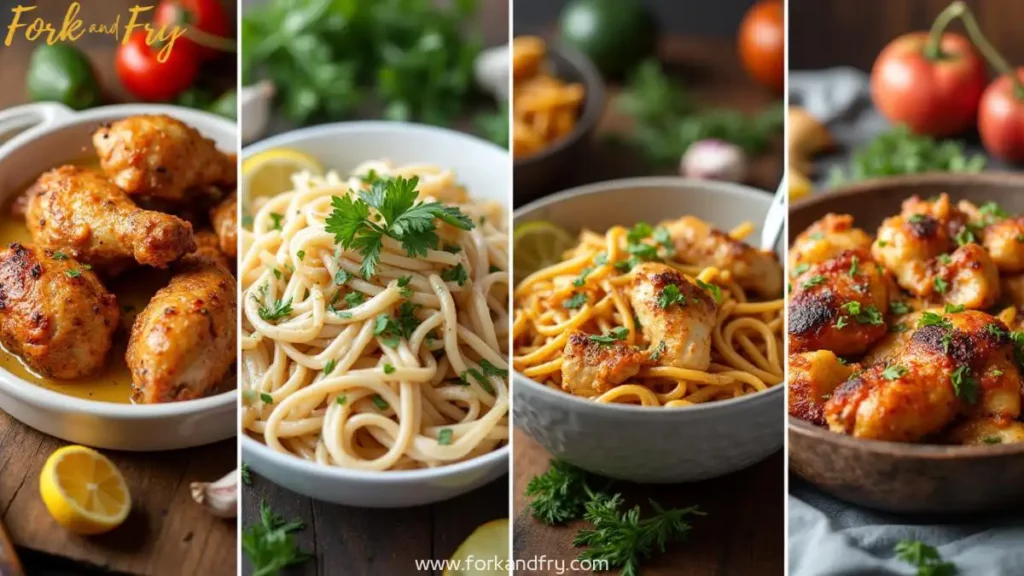
Creamy Garlic Parmesan Chicken Pasta is often misunderstood as simply “cream + cheese + pasta.” In reality, a truly balanced version depends on heat control, sauce structure, starch integration, and proper protein searing. When built correctly in a skillet, the dish becomes cohesive rather than heavy. The sauce clings instead of pooling. The chicken remains tender instead of dry. The Parmesan enhances instead of overpowering.
This skillet version is designed for control. Everything develops in stages. The fond from searing the chicken becomes the base layer of flavor. Garlic is bloomed in butter but never browned aggressively. Cream is reduced gently. Parmesan is added at the correct temperature. Pasta finishes in the sauce to naturally thicken the texture.
If you prefer a butter-forward Alfredo structure with stuffed pasta, Garlic Butter Chicken Alfredo Shells follows a richer, heavier format. And if you prefer crispy Parmesan texture baked in the oven, Parmesan Crusted Chicken Sheet Pan Dinner focuses on dry heat rather than sauce emulsification. This recipe sits squarely in the middle: creamy, structured, balanced.

Understanding Sauce Structure: Why Some Cream Sauces Fail
Many creamy pasta dishes fail for one of three reasons:
The sauce is boiled too aggressively after cheese is added.
The pasta is fully cooked before entering the sauce.
Too much cream is used without reduction.
This recipe avoids all three.
The sauce is reduced before cheese enters the skillet.
The pasta is intentionally undercooked.
Starch is used strategically to create silkiness rather than thickness.
The result is cohesive and glossy.
Ingredient Roles Explained
Chicken provides savory depth and textural contrast.
Butter creates fat structure and flavor base.
Garlic provides aromatic lift. It should be fragrant, not browned.
Heavy cream provides body. Reduction is more important than quantity.
Chicken broth lightens the cream while adding umami.
Freshly grated Parmesan provides salt and natural thickening.
Pasta water stabilizes and adjusts final consistency.
Understanding each ingredient’s function helps you adjust the recipe intelligently.
Ingredients
Chicken
1½ pounds boneless, skinless chicken breast
1 teaspoon salt
½ teaspoon black pepper
1 teaspoon Italian seasoning
2 tablespoons olive oil
Pasta
12 ounces penne or rigatoni
Well-salted water
Garlic Parmesan Sauce
4 tablespoons unsalted butter
5 cloves garlic, finely minced
1½ cups heavy cream
¾ cup chicken broth
1¼ cups freshly grated Parmesan
½ teaspoon black pepper
½ teaspoon salt (adjust after cheese melts)
¼ teaspoon red pepper flakes (optional)
Optional: chopped parsley, extra Parmesan
Step-by-Step Method
Step 1: Cook Pasta Intentionally Under
Bring water to a rolling boil and salt generously.
Cook pasta 1–2 minutes shy of al dente. It should still have a firm center.
Reserve at least ½ cup pasta water.
Drain and set aside.
Undercooking ensures the pasta absorbs sauce rather than releasing excess starch too early.
Step 2: Proper Chicken Searing
Pat chicken dry. Cut into evenly sized bite-sized pieces.
Season evenly.
Heat olive oil in a large skillet over medium-high heat.
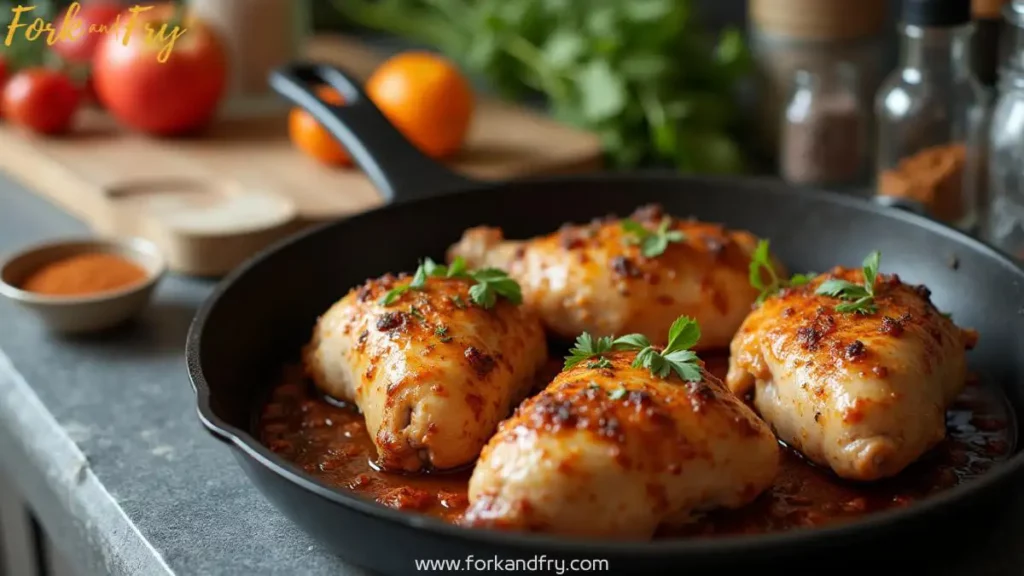
Add chicken in a single layer. Let it cook undisturbed for 2–3 minutes.
Flip and continue cooking until golden and just cooked through.
Remove from skillet and rest.
Browning creates fond — small caramelized bits that dissolve into the sauce later.
Step 3: Build the Aromatic Base
Reduce heat to medium.
Add butter to the skillet.
Once melted, add garlic.
Cook 30–45 seconds until fragrant. Do not brown.
Garlic should smell sweet and aromatic, not sharp.
Step 4: Controlled Cream Reduction
Add heavy cream and chicken broth.
Bring to a gentle simmer — not a boil.
Allow to reduce for 4–6 minutes.
The sauce should visibly thicken and coat the spoon lightly.
Reduction concentrates flavor without requiring flour.
Step 5: Incorporate Parmesan Properly
Lower heat slightly.
Add Parmesan gradually while whisking.
Allow it to melt slowly.
Do not let the sauce boil at this stage.
If it separates, heat is too high.
Taste and adjust salt only after cheese melts.
Step 6: Finish in the Skillet
Add cooked pasta and chicken back into the skillet.
Toss thoroughly.
Add small splashes of reserved pasta water as needed.
Simmer gently for 2–3 minutes.
The sauce should cling to pasta evenly.
Remove from heat once glossy and cohesive.
Texture Benchmarks
The sauce should coat pasta, not pool at the bottom.
The chicken should remain moist and tender.
The Parmesan flavor should be noticeable but not overwhelming.
If the sauce feels heavy, add a tablespoon of broth.
If too thin, simmer slightly longer before adding pasta water.
Flavor Balancing Options
Add lemon zest for brightness.
Stir in baby spinach at the end for freshness.
Add sautéed mushrooms for earthiness.
Increase red pepper flakes for subtle heat.
Add a small spoon of cream cheese for extra body (optional, not traditional).
Scaling the Recipe
To double the recipe:
Use a very large skillet.
Do not crowd the chicken.
Increase reduction time slightly.
Keep heat moderate.
Cream sauces need space to emulsify properly.
Making It Ahead Without Breaking the Sauce
Cream sauces tighten when chilled.
To reheat:
Add 2–3 tablespoons milk or broth.
Warm slowly over low heat.
Stir continuously.
Avoid high microwave heat.
Frequently Asked Questions
Can I use milk instead of heavy cream?
Yes, but reduce longer and add slightly more Parmesan to compensate for thinner fat structure.
Why is my sauce grainy?
The heat was too high when cheese was added.
Can I use pre-shredded Parmesan?
Freshly grated melts more smoothly and prevents grainy texture.
Is this the same as Alfredo?
No. Alfredo traditionally uses butter and Parmesan only. This includes broth and garlic for depth.
Can I add vegetables?
Yes. Broccoli, spinach, or peas work well. Add them near the end.

Creamy Garlic Parmesan Chicken Pasta (Skillet)

Equipment
- Large skillet (12 inch)
- Large pot for pasta
- Colander
- Whisk
- Tongs or Spatula
- Measuring Cups and Spoons
Ingredients
Chicken
- 1 1/2 lb boneless, skinless chicken breast cut into bite-sized pieces
- 1 tsp salt
- 1/2 tsp black pepper
- 1 tsp Italian seasoning
- 2 tbsp olive oil
Pasta
- 12 oz penne or rigatoni
Garlic Parmesan Sauce
- 4 tbsp unsalted butter
- 5 cloves garlic minced
- 1 1/2 cups heavy cream
- 3/4 cup chicken broth
- 1 1/4 cups freshly grated Parmesan
- 1/2 tsp black pepper
- 1/4 tsp red pepper flakes optional
Instructions
- Cook the pasta: Bring a large pot of salted water to a boil. Cook pasta 1–2 minutes shy of al dente. Reserve 1/2 cup pasta water before draining.
- Sear the chicken: Season chicken with salt, pepper, and Italian seasoning. Heat olive oil in a large skillet over medium-high heat. Add chicken in a single layer and sear 2–3 minutes per side until golden and cooked through. Remove from skillet and set aside.
- Build the garlic base: Reduce heat to medium. Add butter to the same skillet. Once melted, add minced garlic and cook 30–45 seconds until fragrant but not browned.
- Create the cream sauce: Pour in heavy cream and chicken broth. Bring to a gentle simmer and cook 4–6 minutes until slightly thickened.
- Add Parmesan: Lower heat slightly and stir in grated Parmesan gradually until melted and smooth. Avoid boiling after cheese is added.
- Combine everything: Return cooked chicken and drained pasta to the skillet. Toss thoroughly to coat. Add reserved pasta water a little at a time if sauce needs loosening. Simmer gently 2–3 minutes until glossy and cohesive.
- Serve: Remove from heat and garnish with chopped parsley and additional Parmesan if desired.
Notes
Enjoyed this recipe? Leave a review!
There are no reviews yet. Be the first one to write one.
Hungry for more recipes like this? 🍴
Get easy dinners, healthy ideas and sweet treats in your inbox every week. Free, no spam, unsubscribe anytime. See our Privacy Policy.