
Created on January 23rd, 2026 at 10:12 am
A Beginner-Friendly Focaccia Designed for Speed and Reliable Texture
Quick Garlic Focaccia in a Sheet Pan is created for home bakers who want a soft, flavorful bread without long fermentation or complex shaping. This recipe focuses on speed while maintaining structure, using a simple dough that rises quickly and bakes evenly in a shallow pan. The sheet pan format allows the dough to spread naturally, producing an even thickness and consistent crumb that works well for slicing, serving, and storing.
This focaccia is designed to be approachable and repeatable. It does not aim to replicate long-fermented artisan focaccia but instead delivers a dependable homemade bread with a tender interior, lightly crisp edges, and a balanced garlic flavor. The method prioritizes clarity and control, making it suitable for beginners and busy schedules.

Why Sheet Pan Focaccia Works for Quick Baking
Using a sheet pan removes the need for shaping and handling a loose dough. The pan supports the dough as it rises, encouraging an even structure and preventing excessive spreading. This containment is especially helpful for quick-rise doughs, which can otherwise lose shape or bake unevenly.
The shallow depth of a sheet pan also promotes faster baking. Heat reaches the center of the bread quickly, allowing the focaccia to cook through without drying out. The result is a bread that feels soft and fresh rather than dense or heavy.
Dough Hydration and Mixing Logic
This focaccia dough is moderately hydrated to encourage softness while remaining easy to handle. The dough is mixed just until combined, avoiding overworking the gluten. Overmixing can lead to toughness, especially in quick breads.
Allowing the dough a short rise gives yeast enough time to produce lift without developing excessive acidity. This balance keeps the flavor clean and mild, allowing the garlic topping to stand out.
Garlic Flavor Integration Without Overpowering
Garlic is added as a topping rather than mixed directly into the dough. This approach prevents bitterness and ensures the garlic cooks gently in olive oil. The oil protects the garlic from burning while infusing the surface of the bread with aroma and flavor.
Using fresh garlic provides clarity and intensity, but it must be sliced or minced evenly to avoid uneven cooking. The goal is a fragrant topping rather than sharp or aggressive flavor.
Olive Oil and Surface Texture
Olive oil plays a critical role in focaccia texture. It coats the pan to prevent sticking, enriches the dough, and contributes to the golden crust. Generous but controlled use of oil ensures the bread remains moist while developing lightly crisp edges.
Dimpling the dough before baking allows oil to pool in small pockets, creating the characteristic focaccia surface and enhancing browning.
Rise Timing and Visual Cues
Because this is a quick focaccia, rise time is shorter than traditional versions. The dough should appear puffy and relaxed before baking, but not doubled excessively. Over-proofing can lead to collapse or uneven crumb.
Visual cues are more important than the clock. The dough should fill the pan evenly and spring back slowly when pressed.
Texture and Finished Bread Expectations
The finished focaccia should be golden with visible dimples and lightly crisp edges. The interior should be soft and airy with a fine, even crumb. Garlic should appear lightly toasted, not dark or bitter.
Slices should hold together cleanly and remain soft even after cooling, making the bread suitable for serving plain or alongside meals.
Time Breakdown
Prep time: 15 minutes
Rise time: 45 minutes
Bake time: 20 minutes
Total time: About 1 hour 20 minutes
Ingredients
- 3 cups all-purpose flour
- 1 tablespoon sugar
- 1 teaspoon salt
- 2 1/4 teaspoons instant yeast
- 1 cup warm water
- 1/4 cup olive oil, divided
- 3 cloves garlic, thinly sliced or minced
- 1 teaspoon dried Italian herbs or rosemary (optional)
- Flaky salt for topping (optional)
Kitchen Tools
- Large mixing bowl
- Spoon or spatula
- Measuring cups and spoons
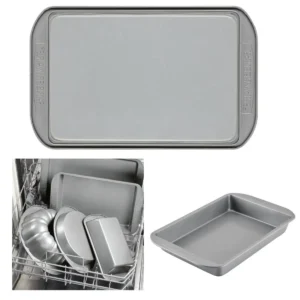
- Rimmed sheet pan
- Parchment paper
- Small bowl
Step-by-Step Instructions
- Line a rimmed sheet pan with parchment paper and coat it with 2 tablespoons of olive oil.
- In a large bowl, combine the flour, sugar, salt, and instant yeast.
- Add the warm water and stir until a soft, sticky dough forms and no dry flour remains.
- Drizzle 1 tablespoon of olive oil over the dough and fold gently to coat.
- Transfer the dough to the prepared sheet pan.
- Use oiled fingertips to gently press and spread the dough toward the edges of the pan.
- Cover the pan loosely and let the dough rise for about 45 minutes, until puffy.
- Preheat the oven to 425°F while the dough finishes rising.
- In a small bowl, mix the remaining olive oil with the garlic and herbs if using.
- Dimple the dough evenly with your fingertips and spoon the garlic oil over the surface.
- Sprinkle lightly with flaky salt if desired and bake for 18 to 22 minutes until golden.
- Remove from the oven and let cool slightly before slicing and serving.
Tips for Consistent Results
Oil your hands when handling the dough to prevent sticking. Avoid pressing too aggressively, which can deflate the dough. Watch the garlic closely during baking to ensure it remains golden rather than dark.
Serving Suggestions
Serve this focaccia warm with soups, salads, or pasta dishes. It also works well sliced for sandwiches or toasted lightly for breakfast spreads.
Make-Ahead and Storage Notes
Store cooled focaccia in an airtight container at room temperature for up to 2 days. Reheat briefly in the oven to restore texture. The bread can also be frozen and reheated as needed.
Nutrition Table (Approximate Per Serving)
| Nutrient | Amount |
|---|---|
| Calories | 190 |
| Carbohydrates | 28 g |
| Protein | 5 g |
| Fat | 7 g |
| Fiber | 1 g |
| Sugar | 2 g |
| Sodium | 320 mg |
Disclaimer: Nutrition facts are estimated using online tools and may vary based on your ingredients and preparation. Please consult a nutritionist for precise dietary advice.
Frequently Asked Questions
Can I use active dry yeast instead of instant yeast?
Yes. Active dry yeast can be used, but it should be dissolved in the warm water before mixing with the dry ingredients to ensure proper activation.
Why is my focaccia dense?
Dense focaccia is often caused by insufficient rise time or pressing the dough too firmly. Allow the dough to become visibly puffy before baking.
Can toppings be added besides garlic?
Yes. Olives, onions, or cherry tomatoes can be added, but use restraint to avoid weighing down the dough.
Does this focaccia reheat well?
Yes. Brief reheating in the oven restores softness and lightly crisp edges better than microwaving.

Quick Garlic Focaccia in a Sheet Pan

Equipment
- Sheet Pan
- Mixing Bowl
Ingredients
Focaccia Dough
- 3 cups all-purpose flour
- 1 tbsp sugar
- 1 tsp salt
- 2 1/4 tsp instant yeast
- 1 cup warm water
- 1/4 cup olive oil
- 3 garlic cloves thinly sliced or minced
Instructions
- Line a sheet pan with parchment paper and coat with olive oil.
- Combine flour, sugar, salt, and yeast in a mixing bowl.
- Add warm water and stir until a soft dough forms.
- Drizzle olive oil over the dough and fold gently.
- Transfer dough to the prepared sheet pan.
- Press dough gently toward the edges of the pan.
- Cover and let the dough rise until puffy.
- Preheat the oven to 425°F.
- Mix olive oil with garlic and herbs if using.
- Dimple the dough and spoon garlic oil over the surface.
- Bake until golden and set.
- Cool slightly before slicing and serving.
Notes
Enjoyed this recipe? Leave a review!
There are no reviews yet. Be the first one to write one.
Hungry for more recipes like this? 🍴
Get easy dinners, healthy ideas and sweet treats in your inbox every week. Free, no spam, unsubscribe anytime. See our Privacy Policy.