Last updated on February 28th, 2026 at 12:30 pm
Sweet, smoky, tender chicken skewers – better than takeout!
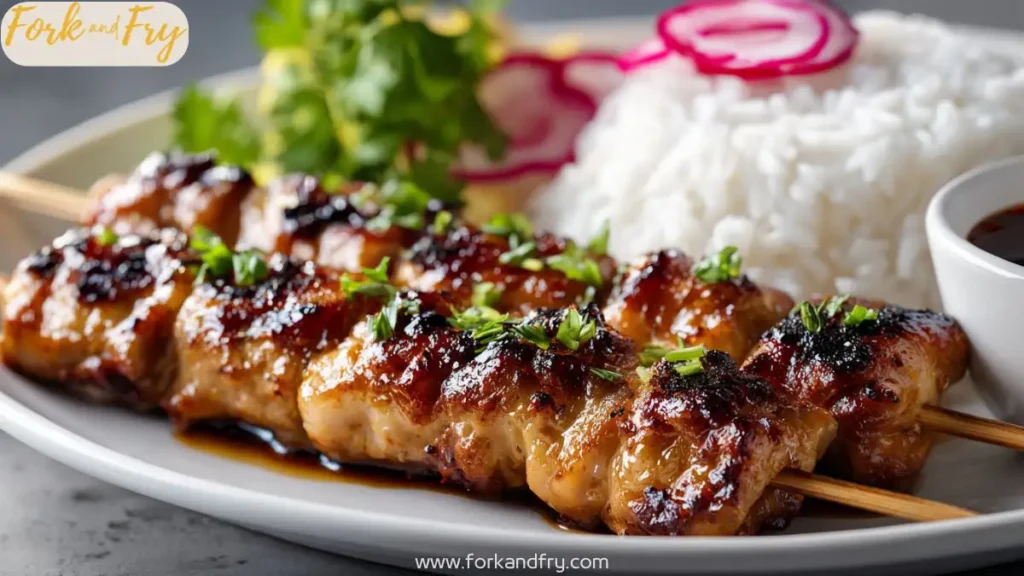
Japanese Chicken Yakitori is one of the most recognizable street foods in Japan, yet it is often misunderstood outside of it. Many versions reduce it to simply “grilled chicken with sweet soy sauce,” but authentic yakitori is about precision. The balance of salt and sweetness, the layering of glaze rather than drowning the meat, and the controlled caramelization over steady heat are what define the dish. The goal is glossy, lightly charred chicken that remains tender inside while the exterior develops a thin lacquered coating of reduced tare.
Traditional yakitori is cooked over binchotan charcoal, which burns hot and clean, allowing for high heat without flare-ups. At home, we replicate this effect with proper heat management rather than extreme temperature. The sauce must reduce slowly. The chicken must be cut uniformly. The glaze must be applied in layers. When executed correctly, the result feels light yet deeply savory.
If you enjoy bold sweet-savory glazes in a faster format, 3-Ingredient Orange Chicken BBQ Style offers a simplified approach. And if you’re interested in mastering controlled pan techniques for crisp texture, Crispy Pan Fried Chicken Dumplings uses similar principles of heat control and staged cooking that apply beautifully to yakitori.

Understanding the Role of Tare
The heart of yakitori is the tare sauce. Unlike thick Western barbecue sauces, tare is relatively thin and built on soy sauce, mirin, sugar, and aromatics. It reduces gradually during cooking. The sugar caramelizes, the soy intensifies, and the glaze becomes glossy rather than sticky.
Authentic tare is reused and layered repeatedly during grilling. At home, we mimic this by brushing in stages. Applying too much sauce at once leads to burning. Applying too little prevents proper glaze formation. The key is thin, repeated layers.
Choosing the Right Chicken
Chicken thighs are traditionally preferred because their fat content protects against drying. The connective tissue breaks down during cooking, keeping the meat tender even under high heat. Chicken breast can be used but requires closer monitoring and slightly shorter cook time.
Cut the chicken into 1½ to 2-inch pieces. Uniformity is essential. Uneven chunks cook inconsistently, leading to dry edges and undercooked centers.
Thread the pieces snugly but not compressed. Leaving slight spacing allows heat circulation while keeping the skewer stable.
Ingredients
5–6 boneless chicken breasts or 6–8 boneless chicken thighs
2 garlic cloves, minced
1 tablespoon fresh grated ginger
1/3 cup soy sauce
1/3 cup water
3 tablespoons mirin (or dry red wine as substitute)
1/4 cup + 2 tablespoons brown sugar
1 tablespoon rice vinegar
1 teaspoon black pepper
1 tablespoon cornstarch (optional)
6–7 wooden skewers, soaked
Step-by-Step Method
Soak the Skewers
Soak wooden skewers for at least 15 minutes. This prevents scorching and allows for longer cooking time without burning the handles.
Prepare the Sauce Base
Combine soy sauce, water, mirin, brown sugar, and rice vinegar in a bowl. Stir until sugar dissolves. Reserve 1/4 cup for marinating.
Marinate the Chicken
Toss chicken with garlic, ginger, black pepper, and the reserved 1/4 cup sauce. Marinate 10–20 minutes. Yakitori does not require long marination because the glaze layering during cooking builds flavor externally.
Reduce the Tare
Pour the remaining sauce into a small saucepan. Simmer gently for 6–8 minutes. Allow the sauce to reduce slightly. If a slightly thicker consistency is desired, mix cornstarch with 2 tablespoons hot sauce and whisk back in. Simmer until lightly thickened. The sauce should coat the back of a spoon but remain pourable.
Skewer Properly
Thread chicken in a zigzag pattern, ensuring even distribution. Leave a small handle area uncovered.
Cooking Options
Grill at medium-high heat (375–400°F). Cook 4 minutes, flip, brush lightly with sauce, cook another 3–4 minutes. Repeat light basting once more near the end.
Under a broiler, place skewers on a lined tray. Broil 4 minutes per side, brushing lightly during cooking. Watch closely to prevent burning.
In an air fryer at 350°F, cook 4 minutes, flip, brush, and cook 4 more minutes.
The chicken should reach 165°F internally, with a glossy, lightly caramelized exterior.
Glaze Control and Caramelization
The most common mistake is applying too much sauce early. Sugar burns quickly. Apply thin layers during cooking, not before placing on heat. The final brush should occur in the last minute to build shine without scorching.
Slight char is desirable. Blackened, bitter crust is not.
Serving Suggestions
Yakitori is traditionally served with steamed short-grain rice. The neutral rice absorbs excess glaze and balances saltiness. Pickled vegetables such as quick-pickled cucumbers or daikon provide acidity to contrast sweetness. A simple miso soup rounds out the meal.
For a modern bowl approach, serve sliced yakitori over rice with shredded cabbage and drizzle with remaining warm tare. Garnish with green onions and sesame seeds.
Yakitori also works as a party appetizer. Serve skewers on a platter with extra glaze on the side for dipping.
For a lighter meal, pair with a crisp Asian slaw dressed with rice vinegar and sesame oil.
Flavor Variations
For a sweeter glaze, increase brown sugar slightly or add a teaspoon of honey near the end of reduction.
For a spicier profile, add chili flakes or a small amount of sriracha to the tare.
For deeper umami, add a splash of sake during reduction.
For smoky notes without charcoal, add a pinch of smoked salt after cooking.
For a garlic-forward version, increase minced garlic slightly and brush fresh garlic-infused oil during the final minute.
For a citrus twist, finish with a squeeze of fresh yuzu or lemon juice.
Storage and Reheating
Allow cooked skewers to cool completely before storing. Store in an airtight container in the refrigerator for up to 3 days.
To reheat properly, avoid microwaving at high power. High microwave heat causes the glaze to over-tighten and the chicken to dry out. Instead, reheat gently in a skillet over low heat with a small splash of water to loosen the glaze. Cover lightly to trap steam and prevent drying.
In the oven, reheat at 300°F for 8–10 minutes. Brush lightly with extra sauce halfway through to restore moisture.
For freezing, marinate raw chicken in the reserved sauce and freeze flat in a sealed bag for up to 2 months. Thaw overnight in the refrigerator before skewering and cooking.
Cooked yakitori can also be frozen, though texture is best when fresh. If freezing cooked skewers, wrap tightly and reheat gently in oven.
Scaling the Recipe
For larger gatherings, cook skewers in batches. Do not overcrowd the grill or broiler. Overcrowding lowers temperature and prevents caramelization. Keep cooked skewers warm in a 200°F oven while finishing remaining batches.
If doubling the sauce, reduce slightly longer to maintain proper thickness.
Common Mistakes
Using uneven chicken pieces
Applying sauce too early
Cooking over excessively high heat
Skipping sauce reduction
Over-marinating
Not soaking skewers
Each of these affects texture and balance.
Frequently Asked Questions
Is yakitori the same as teriyaki?
No. Teriyaki is thicker and sweeter. Yakitori glaze is lighter and layered gradually.
Can I use metal skewers?
Yes. They eliminate soaking and conduct heat evenly.
Why is my sauce too thin?
It has not reduced enough. Simmer longer before glazing.
Can I make this without sugar?
Sugar is essential for caramelization, but small reductions are possible.
Is charcoal necessary?
No. Proper heat control and glaze layering recreate similar results.
Japanese Chicken Yakitori is simple in ingredient list but precise in execution. When you control the reduction, manage the heat, and glaze in layers, you achieve tender chicken with balanced sweetness and umami depth that rivals restaurant versions.
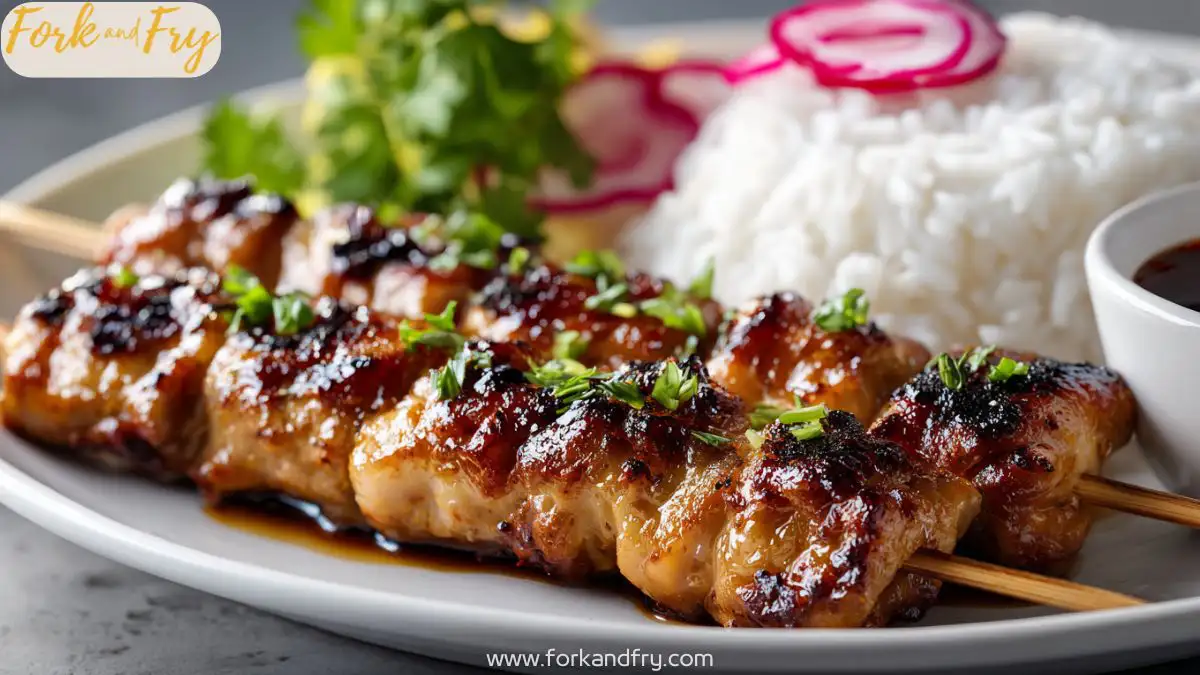
Japanese Chicken Yakitori

Equipment
- Grill, broiler, or air fryer
- Small saucepan
- Mixing Bowl
- Whisk
- Knife and cutting board
- Wooden or metal skewers
- Basting Brush
- Tongs
Ingredients
Chicken
- 6–8 boneless chicken thighs or 5–6 boneless chicken breasts, cut into 1½–2 inch pieces
- 2 cloves garlic minced
- 1 tbsp fresh grated ginger
- 1 tsp black pepper
Yakitori Tare Sauce
- 1/3 cup soy sauce
- 1/3 cup water
- 3 tbsp mirin or dry red wine substitute
- 1/4 cup brown sugar
- 2 tbsp brown sugar additional for balanced sweetness
- 1 tbsp rice vinegar
- 1 tbsp cornstarch optional, for light thickening
Other
- 6–7 wooden skewers soaked 15–20 minutes
Instructions
- Soak skewers: Submerge wooden skewers in water for at least 15 minutes to prevent burning during cooking.
- Prepare sauce base: In a bowl, mix soy sauce, water, mirin, brown sugar, and rice vinegar. Stir until sugar dissolves. Reserve 1/4 cup of this mixture for marinating the chicken.
- Marinate chicken: Toss chicken pieces with garlic, ginger, black pepper, and reserved 1/4 cup sauce. Marinate for 10–20 minutes.
- Reduce tare sauce: Pour remaining sauce into a saucepan. Simmer 6–8 minutes until slightly reduced. If using cornstarch, mix it with 2 tablespoons hot sauce and whisk back into saucepan. Simmer until lightly thickened. Remove from heat.
- Skewer chicken: Thread chicken evenly onto skewers in a zigzag pattern. Leave a small handle area exposed.
- Cook: Grill at 375–400°F for 4 minutes. Flip, lightly baste with reduced tare, and cook another 3–4 minutes until caramelized and internal temperature reaches 165°F. Alternatively, broil 4 minutes per side or air fry at 350°F for 8 minutes total, flipping halfway.
- Final glaze: Brush one final thin layer of warm tare during the last minute of cooking for a glossy finish without burning.
- Serve: Serve immediately with steamed rice and garnish with green onions or sesame seeds if desired.
Notes
Enjoyed this recipe? Leave a review!
There are no reviews yet. Be the first one to write one.
Hungry for more recipes like this? 🍴
Get easy dinners, healthy ideas and sweet treats in your inbox every week. Free, no spam, unsubscribe anytime. See our Privacy Policy.